
Impostor Syndrome: जब बाहर सब ठीक हो, लेकिन अंदर हमेशा डर लगा रहता है

कभी-कभी ज़िंदगी बाहर से बिल्कुल सही लगती है।
आप अच्छा कर रहे हो, लोग आप पर भरोसा करते हैं, achievements हैं।
लेकिन अंदर… एक भारी-सी बेचैनी रहती है -
"कहीं ये सब गलती से तो नहीं मिल गया?"
ये feeling हल्की नहीं होती।
ये धीरे-धीरे confidence, peace और self-worth को खा जाती है।
और सबसे मुश्किल बात - आप इसे किसी को ठीक से explain भी नहीं कर पाते।
यही है Impostor Syndrome।
और हाँ - ये बहुत real feeling है।
📝 इस आर्टिकल में आप जानेंगे:
Impostor Syndrome असल में क्या होता है
क्यों capable और मेहनती लोग ही इसमें ज़्यादा फँसते हैं
बड़े और सफल लोग भी ये feeling क्यों महसूस करते हैं - Deepinder Goyal (Founder, Zomato) Interview
Students, parents, creators सब कैसे इससे प्रभावित होते हैं
Indian culture और society इसमें कैसे fuel डालती है
अगर इसे ignore किया जाए तो क्या नुकसान होता है
Real-life scenarios और relatable examples
Practical तरीके जिनसे इस feeling को धीरे-धीरे calm किया जा सकता है
20+ FAQs जो आपके मन के सवाल clear करेंगे
Impostor Syndrome क्या है? (Simple भाषा में) 🤯
Impostor Syndrome कोई बीमारी नहीं है।
ये कोई medical diagnosis नहीं है।
ये एक mental pattern है -
जहाँ इंसान अपनी success, abilities और achievements को accept नहीं कर पाता।
आप कुछ achieve करते हो →
दिमाग कहता है:
"Luck था।"
"Timing सही थी।"
"अगली बार पकड़ में आ जाऊँगा।"
"लोगों को असली मैं दिखा तो सब खत्म।"
मतलब:
काबिलियत मौजूद होती है,
लेकिन दिमाग उसे अपना मानने से मना कर देता है।
💡 सरल शब्दों में:
आप deserve करते हो जो आपके पास है,
पर दिमाग मानता नहीं।
एक ज़रूरी सच्चाई जो कम लोग जानते हैं 😮
ये feeling failures को नहीं,
responsible और aware लोगों को होती है।
जैसे-जैसे:
Responsibility बढ़ती है (student से topper, beginner से experienced)
Visibility बढ़ती है (followers, recognition, expectations)
Standards बढ़ते हैं (खुद के लिए और दूसरों के लिए)
वैसे-वैसे अंदर का डर भी बोलने लगता है।
🎯 असली मुद्दा:
जो लोग care करते हैं, वो doubt भी करते हैं।
जो लोग careless होते हैं, उन्हें कभी impostor feeling नहीं होती।
🌍 बड़े और सफल लोग भी यही महसूस करते हैं
✦ Deepinder Goyal (Founder, Zomato)
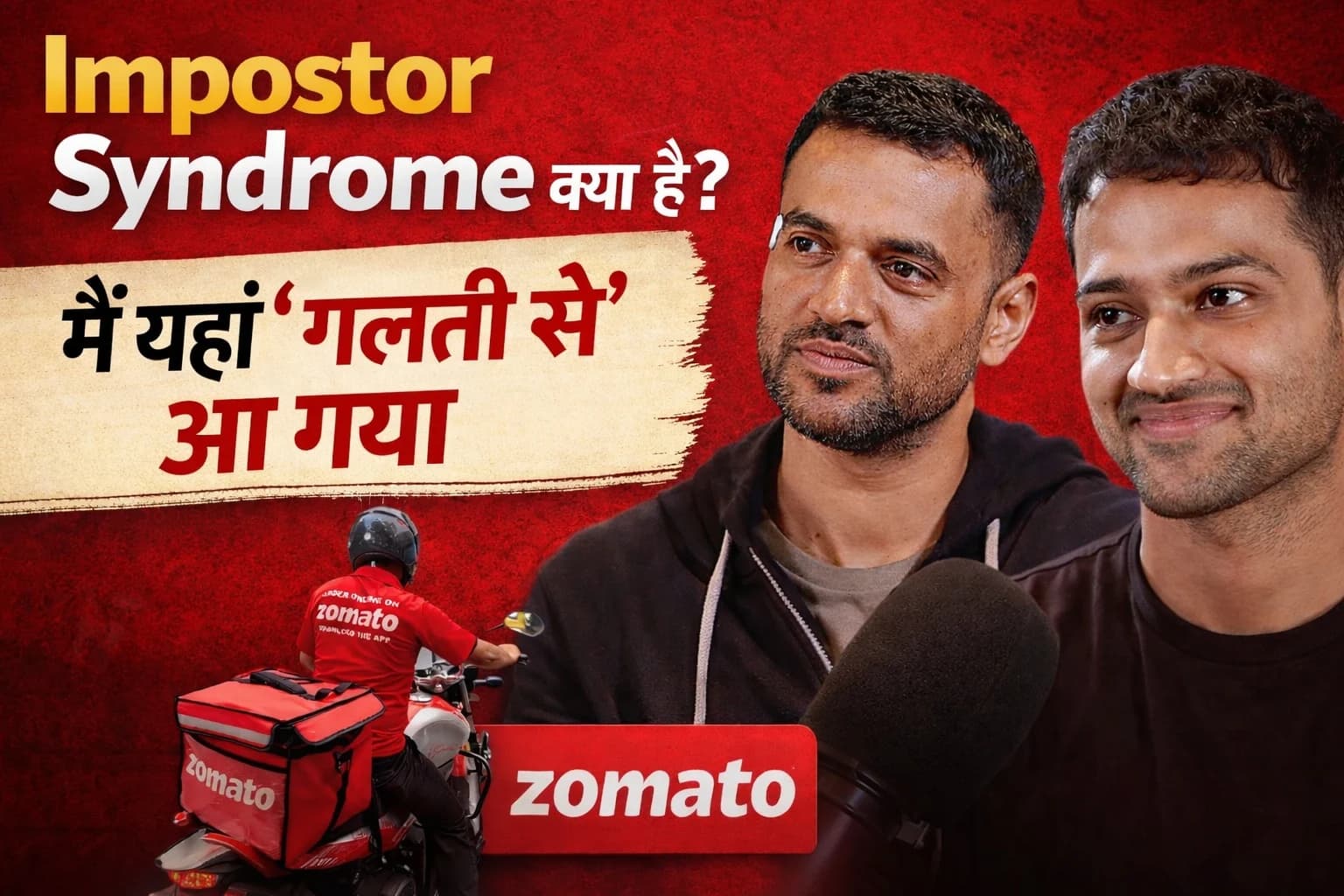
हाल ही में Raj Shamani के साथ एक interview में Zomato के founder दीपिंदर गोयल ने एक बहुत बड़ी बात कही। उन्होंने Imposter Syndrome को define करते हुए कहा कि यह वो feeling है जब लगता है कि आप "यहाँ तक पहुँच गए" (got here) बिना उसे truly deserve किए।
उन्होंने माना कि success के बावजूद, एक internal belief रहता है कि शायद यह success "genuinely earned" नहीं है। सबसे बड़ी बात, उन्होंने कहा कि यह feeling "चलता रहता है" (it keeps going on)
मतलब, हज़ारों करोड़ की कंपनी बनाने के बाद और 10-minute delivery जैसी innovation करने के बाद भी, self-doubt पूरी तरह खत्म नहीं होता। यह founder journey का एक हिस्सा है।
✦ Virat Kohli
Peak performance के दौर में भी उन्होंने self-doubt की बात की।
Pressure, expectations और self-criticism सब एक साथ चल रहा था।
✦ Albert Einstein
इतिहास के महान वैज्ञानिक।
Nobel Prize winner।
उन्होंने खुद लिखा कि उन्हें लगता था उनका काम "overestimated" है।
जिस इंसान ने दुनिया की सोच बदल दी, उसे भी खुद पर शक था।
✦ Maya Angelou
दुनिया की सबसे respected writers में से एक।
70+ books लिखने के बाद भी, उन्होंने openly कहा था:
"हर नई किताब से पहले मुझे लगता था कि इस बार लोग समझ जाएंगे कि मैं fake हूँ।"
इतनी achievement के बाद भी।
✦ Michelle Obama
Former First Lady of United States।
उन्होंने बताया कि White House तक पहुँचने के बाद भी उन्हें लगता था -
"मैं यहाँ क्यों हूँ? क्या मैं really deserve करती हूँ?"
Power और respect के बावजूद।
✦ Tom Hanks
Hollywood के सबसे successful actors में से एक।
फिर भी उन्होंने कहा:
"कभी-कभी मुझे लगता है कि मैं सिर्फ lucky हूँ और किसी दिन लोग जान जाएंगे कि मैं actually talented नहीं हूँ।"
👉 एक बात साफ है:
ये feeling failure से नहीं, pressure और awareness से आती है।
जितना ज़्यादा आप care करते हो,
उतना ज़्यादा doubt भी होता है।
Impostor Syndrome किन-किन लोगों को होता है? 👥
1. Students और Academic Achievers 📚
College में नया admission
Scholarship मिलने के बाद
Class topper बनने पर भी लगता है "fluke था"
Competitive exams clear करने के बाद भी doubt
Real example:
"JEE crack किया, IIT में पहुँच गया। पर पहले दिन से लग रहा है कि बाकी सब मुझसे ज़्यादा smart हैं। Main yahan kaise aa gaya?"
2. Content Creators और Artists 🎨
YouTube, Instagram पर followers बढ़ने के बाद
हर post पर लगता है "ये अच्छा है भी या नहीं?"
Viral होने के बाद भी - "ये luck था"
Creative block आने पर self-doubt extreme हो जाता है
Real example:
"10k followers हो गए, पर har video upload karte waqt darr lagta hai - kya log sochenge? Kya main sach mein achha content bana raha hoon?"
3. Parents (खासकर नए माता-पिता) 👶
"क्या मैं अच्छा parent हूँ?"
"Baaki parents better हैं मुझसे"
हर decision पर doubt
Social media पर "perfect parenting" देखकर और self-doubt
Real example:
"Instagram par sab perfect parents lag rahe hain. Main apne bachhe ko woh sab kuch nahi de paa raha. Am I failing as a parent?"
4. Entrepreneurs और Business Owners 💼
Starting में हर decision पर doubt
Success आने पर भी - "sustainable है?"
Investors के सामने present करते वक्त डर
"क्या मैं सच में capable हूँ?"
5. Athletes और Performers 🏃
हर match/performance से पहले anxiety
"पिछली बार luck था, अब गड़बड़ हो जाएगी"
Consistency बनाए रखने का pressure
6. Freelancers और Remote Workers 💻
Client के सामने doubt - "क्या मैं enough skilled हूँ?"
Rates negotiate करते वक्त undervalue करना
Projects लेने में hesitation
7. Young Professionals (First job, first promotion) 🎓
"Sab kuch chance se mila hai"
"Main deserve nahi karta/karti"
Meetings में bolne se darr
Indian Culture इसमें कैसे role निभाती है 🇮🇳
India में Impostor Syndrome और भी ज़्यादा common है, क्योंकि:
1. बचपन से Comparison Culture 📊
"Sharma ji ka beta dekho"
"Teri cousin toh itna acha kar rahi hai"
Relatives की nazron mein कभी enough नहीं
2. Marks = Value की Mindset 📝
95% आए तो भी - "5% कहाँ गए?"
Success celebrate होती कम, improvement की demand ज़्यादा
3. गलती पर Shame, सीख पर कम Focus 😔
"Log kya kahenge?"
Failure को stigma की तरह treat करना
Vulnerability को weakness समझना
4. Social Media की Toxic Perfection 📱
Everyone's highlight reel vs your behind the scenes
Constant comparison का loop
Curated lives देखकर अपनी reality dull लगना
5. "Beta, Settle Ho Jao" Pressure ⏰
Life milestones की deadline
Age 25: marriage, age 30: house, etc.
Timelines miss होने पर self-worth गिरना
6. Joint Family Dynamics 👨👩👧👦
Privacy नहीं, judgement ज़्यादा
हर decision पर 10 लोगों की opinion
Constant scrutiny
यहाँ मेहनती और sincere लोग भी खुद को "kam" समझने लगते हैं।
High-Achievers ही क्यों फँसते हैं इसमें? 🏆
क्योंकि:
1. Self-Awareness High होती है 🧠
उन्हें अपनी limitations दिखती हैं।
Average लोग अक्सर overconfident होते हैं (Dunning-Kruger Effect)।
Talented लोग अपनी weaknesses ज़्यादा notice करते हैं।
2. Standards बहुत ऊँचे होते हैं 📈
"अच्छा" उनके लिए enough नहीं होता।
Perfectionism और impostor syndrome साथ-साथ चलते हैं।
3. Care करते हैं Impact की 💚
उन्हें फर्क पड़ता है कि लोग क्या सोचते हैं।
Careless लोग rarely खुद पर doubt करते हैं।
4. गलती को Identity मान लेते हैं 🎭
"मैंने गलती की" → "मैं गलती हूँ"
एक mistake पूरी capability पर सवाल बन जाती है।
5. Comparison करना बंद नहीं कर पाते 🔄
Apne पिछले version से या दूसरों से हमेशा compare करते रहते हैं।
👉 इसलिए ये डर कमजोरी नहीं,
जिम्मेदारी और self-awareness का side-effect है।
Impostor Syndrome vs Low Self-Esteem: क्या फर्क है? ⚖️
Low Self-Esteem | Impostor Syndrome |
|---|---|
"मैं कुछ भी अच्छा नहीं हूँ" | "मैं अच्छा दिख रहा हूँ, पर असल में नहीं हूँ" |
हर जगह failure महसूस होती है | बाहर से successful, अंदर से fraud जैसा feel |
Motivation कम होती है | Overwork करते हैं "prove" करने के लिए |
Try ही नहीं करते | Try तो करते हैं, पर credit नहीं लेते |
Impostor Syndrome में आप capable होते हैं।
बस दिमाग उसे accept नहीं करता।
Impostor Syndrome के Types (हाँ, ये भी अलग-अलग होता है!) 🔍
1. The Perfectionist 🎯
"अगर perfect नहीं, तो failure है।"
99% भी enough नहीं।
2. The Superman/Superwoman 🦸
"Mujhe sab kuch handle karna chahiye."
Rest लेना = weakness.
3. The Natural Genius 🧠
"अगर मुझे effort डालना पड़ा, तो मैं talented नहीं हूँ।"
Struggle = I'm not good enough.
4. The Soloist 🚶
"अगर किसी से help ली, तो ये मेरी achievement नहीं।"
Team work = cheating.
5. The Expert 📚
"Mujhe sab kuch pata hona chahiye."
एक भी चीज़ नहीं जानते तो "fraud" feel.
आप किस type में हो? या शायद mix?
अगर इसे Ignore किया जाए तो क्या होता है? ⏳
1. Constant Anxiety और Panic 😰
Har situation में "pakde jaane" ka darr.
Presentations, meetings, conversations - sab mein stress.
2. Overworking (Prove करने के लिए) 🔥
"Main prove karunga ki main deserving hoon."
Burnout की guaranteed recipe.
3. Procrastination और Self-Sabotage 🛑
"Agar try hi nahi karunga, toh fail bhi nahi hounga."
Opportunities miss hona.
4. Physical Health Problems 🤒
Chronic stress se:
Sleep problems
Headaches
Digestive issues
Weakened immunity
5. Relationships में Irritability 😠
Apne frustration doosron par nikalna.
Loved ones se distance bana लेना।
6. Success का Maza Nahi ✨
Achievement ke baad bhi happiness nahi।
"अगली बार फिर prove karna padega" - endless loop.
7. Mental Health Decline 📉
Depression और anxiety disorders का risk.
काम आगे बढ़ता रहता है,
पर खुशी पीछे छूट जाती है।
🎬 Real-Life Scenarios: क्या आपने भी ये महसूस किया है?
Scenario 1: The College Admission
"Mera college admission ho gaya. Bahut achha college. Par mujhe lagta hai ki galti se ho gaya. Interview mein woh sawaal nahi aaya jo mujhe nahi aata tha. Pehle din se darr lag raha hai - kahi sab ko pata chal gaya toh?"
Scenario 2: The Art Exhibition
"Meri paintings exhibition mein select ho gayi. Par har baar lagta hai logo ko samajh nahi aayega. Koi seriously lega bhi? Main artist thodi na hoon, bas hobby hai."
Scenario 3: The Wedding Planning
"Shaadi mein sab keh rahe hain 'kitna achha plan kiya tumne'. Par main jaanti hoon kitni cheezein galat hui. Koi dekh le toh? Sacchi mein main itni organized nahi hoon jitna log soch rahe hain."
Scenario 4: The YouTube Channel
"10k subscribers ho gaye. Par har video upload karne se pehle pet mein darad hota hai. Kya log pasand karenge? Last 3 videos flop gaye toh? Maybe initial success luck thi."
Scenario 5: The Parenting Win
"Mera baccha class mein first aaya. Teachers praise kar rahe hain. Par main jaanta hoon maine kitna kam kiya uske liye. Other parents definitely zyada involved hain. Main lucky hoon bas."
पढ़ते हुए कोई scenario relatable लगा?
आप अकेले नहीं हो। ❤️
🌱 Practical तरीके: इस Feeling को कैसे Calm करें
1️⃣ Feelings नहीं, Facts पर भरोसा करो 📊
Kya करें:
Ek "Evidence Journal" बनाओ:
Compliments जो मिलीं
Projects जो succeed हुए
Feedback emails
Achievements (छोटी-बड़ी सब)
क्यों काम करता है:
Feelings loud होती हैं।
Facts stable होते हैं।
Jab doubt हो, journal kholo.
2️⃣ "Exposure" वाली Story को Challenge करो 🔎
Khud से पूछो:
क्या कोई real evidence है कि मैं fraud हूँ?
अगर मेरा दोस्त यही feel करता, तो main क्या कहता?
क्या ये thought fact है ya fear?
90% cases में जवाब होगा - नहीं।
3️⃣ Comparison Diet पर जाओ 🚫📱
Practical steps:
Social media use limit करो (screen time tracker use करो)
Unfollow accounts जो आपको बुरा feel कराते हैं
Mute stories जो trigger करते हैं
1 week का "social media detox" try करो
Remember:
Comparison impostor syndrome का सबसे बड़ा fuel है।
4️⃣ Trusted इंसान से बात करो 🫂
किससे बात करें:
Close friend
Family member
Mentor
Therapist/counselor
Kya कहें:
"Main ek feeling share karna chahta/chahti hoon. Mujhe aisa lagta hai ki..."
Kya hota hai:
डर बोलने से छोटा हो जाता है।
और अक्सर पता चलता है - आप अकेले नहीं हो।
5️⃣ Perfect नहीं, Sincere बनो 🎯
Mindset shift:
❌ "Mujhe sab kuch perfectly karna hai"
✅ "Main sincerely try karunga aur mistakes se seekhunga"
Growth का मतलब:
Flawless होना नहीं।
Curious और learning-oriented रहना है।
6️⃣ "Good Enough" को Accept करो ✅
Practice करो:
80% perfection aim करो, 100% नहीं
Deadlines respect करो (perfectionism की wajah se procrastinate mat karo)
"Done is better than perfect" mantra अपनाओ
7️⃣ Celebrate Small Wins 🎉
Har Friday:
5 cheezein likho जो इस week अच्छी हुईं:
Ek difficult conversation handle kiya
Deadline meet ki
Someone ki help की
Kuch naya seekha
Rest liya aur guilt nahi feel kiya
8️⃣ "Nayi Language" Use करो 💬
Change your self-talk:
❌ Old | ✅ New |
|---|---|
"Main fraud hoon" | "Main nervous hoon, par capable bhi hoon" |
"Luck tha" | "Maine mehnat ki aur opportunity use ki" |
"Main nahi kar paunga" | "Main try karunga aur dekhunga" |
"Sab pata chal jaega" | "Main sikh raha/rahi hoon, perfect nahi" |
9️⃣ Mentorship लो या दो🤝
दोनों तरफ से फायदा:
Mentor से बात करो - unki bhi impostor feelings thi kabhi
Kisi junior को mentor बनो - apni value realize hogi
🔟 Self-Compassion Practice करो 💚
Jab mistake ho:
Imagine करो कि ये tumhare best friend के साथ hua hai।
Tum उससे क्या कहोगे?
Wahi kindness खुद को भी do.
🤝 अगर डर भारी हो रहा है तो मदद लेना Strength है
अगर:
Anxiety control में नहीं
Sleep या appetite affect हो रही है
Panic attacks आ रहे हैं
Suicidal thoughts आ रहे हैं
Daily life affect हो रही है
तो professional help लेना बिल्कुल सही कदम है।
📞14416: भारत की FREE Mental Health Counselling Helpline
कभी-कभी एक conversation ज़िंदगी हल्की कर देती है।
❤️ HealthyRaho का Core Message
अगर आपको लगता है:
"मैं यहाँ belong नहीं करता/करती"
तो याद रखो:
🌟 जो लोग सच में fake होते हैं,
उन्हें कभी डर नहीं लगता।
🌟 डर उन्हें लगता है,
जो अपना काम ईमानदारी से करते हैं।
🌟 आप weak नहीं हो।
आप aware हो।
🌟 और awareness ही healing की शुरुआत है।
आपकी achievements luck नहीं थीं।
आपकी mehnat count करती है।
और आप exactly वहाँ हो जहाँ आपको होना चाहिए। ✨
❓FAQs: Impostor Syndrome से जुड़े आम सवाल
1. क्या Impostor Syndrome एक mental illness है?
नहीं। ये एक सोच का pattern है, clinical diagnosis नहीं।
DSM-5 (mental disorders की official book) में listed नहीं है।
लेकिन इसके effects बहुत real होते हैं।
2. क्या ये सिर्फ professionals को होता है?
बिल्कुल नहीं।
Students को होता है
Parents को होता है
Artists और creators को होता है
Athletes को होता है
Homemakers को होता है
कोई भी जो कुछ achieve कर रहा है, feel कर सकता है।
3. क्या ये confidence की कमी है?
नहीं।
Impostor syndrome में:
बाहर से confident दिख सकते हो
अंदर से doubt feel होता है
ये confidence और self-trust के mismatch से होता है।
4. क्या women में ज़्यादा होता है?
Research के अनुसार:
Women में slightly ज़्यादा report होता है।
Reasons:
Societal expectations ज़्यादा
Representation कम (especially leadership में)
"Prove yourself" का pressure ज़्यादा
लेकिन men को भी equally होता है - बस वो कम share करते हैं।
5. क्या ये उम्र के साथ कम होता है?
Mixed answer:
कुछ लोगों में कम होता है (experience से confidence बढ़ती है)
कुछ लोगों में बढ़ जाता है (responsibilities बढ़ने से)
Solution: Awareness और coping strategies।
6. क्या promotion/success के बाद ये feeling बढ़ती है?
हाँ, बहुत common है।
Reason:
Responsibility बढ़ी → Expectations बढ़ीं → Doubt भी बढ़ गया।
Isko "New Level, New Devil" कहते हैं।
7. क्या therapy से help मिलती है?
हाँ, बहुत।
Effective approaches:
CBT (Cognitive Behavioral Therapy)
ACT (Acceptance and Commitment Therapy)
Talk therapy
Professional help से patterns समझ आते हैं और healthier thinking develop होती है।
8. क्या journaling really मदद करती है?
हाँ!
Benefits:
Thoughts clear होते हैं
Patterns दिखते हैं
Evidence collect होता है
Emotional release होती है
Tip: Daily नहीं तो weekly zaroor करो।
9. क्या ये हमेशा रहेगा?
नहीं।
Awareness और practice से ये manageable हो जाता है।
Triggers aayenge, par aap handle karna seekh jaoge।
Goal: Eliminate nahi, manage karna है।
10. क्या overworking solution है?
बिल्कुल नहीं।
Overworking:
Burnout बढ़ाता है
Problem solve नहीं करता
Vicious cycle बनाता है
Real solution: Self-worth को results से detach करना।
11. क्या दूसरों को बताना सही है?
हाँ, right person को।
Benefits:
Burden हल्का होता है
Often realize करते हो - they feel the same
Support मिलता है
Perspective बदलता है
Caution: Toxic या judgmental लोगों से avoid करो।
12. क्या social media इसे बढ़ाता है?
हाँ, बहुत ज़्यादा।
Reasons:
Highlight reels vs your reality
Constant comparison
FOMO (Fear of Missing Out)
Filtered perfection
Solution: Conscious consumption और regular detox।
13. क्या environment/field change solution है?
ज़रूरी नहीं।
Kyunki:
Issue अक्सर अंदर का होता है, बाहर का नहीं।
Naye environment में भी same pattern repeat हो सकता है।
Better: Pehle internal work करो, फिर decide करो।
14. क्या leaders और successful लोग भी ये feel करते हैं?
हाँ, अक्सर सबसे ज़्यादा वही।
Reason:
Jitni zyada visibility, utna zyada pressure।
Famous examples: Michelle Obama, Tom Hanks, Maya Angelou (already mentioned above)
15. क्या ये growth का sign है?
हाँ!
Means:
आप comfort zone से बाहर हो
नई challenges ले रहे हो
Care करते हो quality की
But remember: Healthy dose of discomfort अच्छी है, chronic anxiety नहीं।
16. क्या ये hereditary होता है (genes से मिलता है)?
Directly नहीं।
But:
Anxiety-prone families में ज़्यादा common
Perfectionist parenting styles से influence होता है
Learned behaviors हो सकते हैं
Main factor: Environment और experiences।
17. Impostor Syndrome और Anxiety Disorder में क्या फर्क है?
Impostor Syndrome:
Specific situations में trigger होता है (achievements, visibility)
Self-doubt focused है
Diagnosis नहीं है
Anxiety Disorder:
Persistent और widespread है
Daily functioning affect होती है
Clinical diagnosis है
Note: Dono साथ हो सकते हैं।
18. क्या medication लेनी पड़ती है?
Usually नहीं।
Impostor syndrome के लिए specifically कोई medicine नहीं।
But:
अगर associated anxiety/depression severe
ज़रूर पढ़ें
- दिमाग का खेल: मनोविज्ञान कैसे हमारी सोच और व्यवहार को कंट्रोल करता है
- 🌸 नवरात्रि 2026: Family, Work और पूजा स्ट्रेस मैनेजमेंट गाइड
- 🧠 Brain Detox: 7 दिन में बढ़ाएं मानसिक फोकस और मेमोरी
- क्या आप भी हर बात को बहुत ज़्यादा सोचते हैं? जानिए ओवरथिंकिंग कैसे बंद करें