

Have you ever experienced a sudden, sharp pain in one tooth while chewing food? Perhaps the pain lasts only a few seconds and disappears on its own, making you think it is nothing serious. However, if the discomfort keeps returning-especially when biting into hard foods or releasing your bite-it could be a sign of a cracked tooth.
A cracked tooth is not always easy to identify. In many cases, the tooth may look perfectly normal from the outside, even though a tiny crack in its structure is causing pain during chewing.
The good news is that many cracked teeth can be treated, depending on the location and severity of the crack. Early diagnosis can help a dentist determine whether the tooth can be preserved and what treatment is most appropriate.
In this article, we will explore the causes, symptoms, diagnosis, treatment options, and prevention of cracked teeth.
📝 What You Will Learn in This Article
What a cracked tooth is and why it can cause sudden pain while chewing.
The common causes and early warning signs of a cracked tooth.
Why a dental X-ray may not always show a crack.
Which treatment options may help preserve a cracked tooth.
When to see a dentist and what to do before your appointment.
Practical ways to reduce the risk of further tooth damage.
What Is a Cracked Tooth?
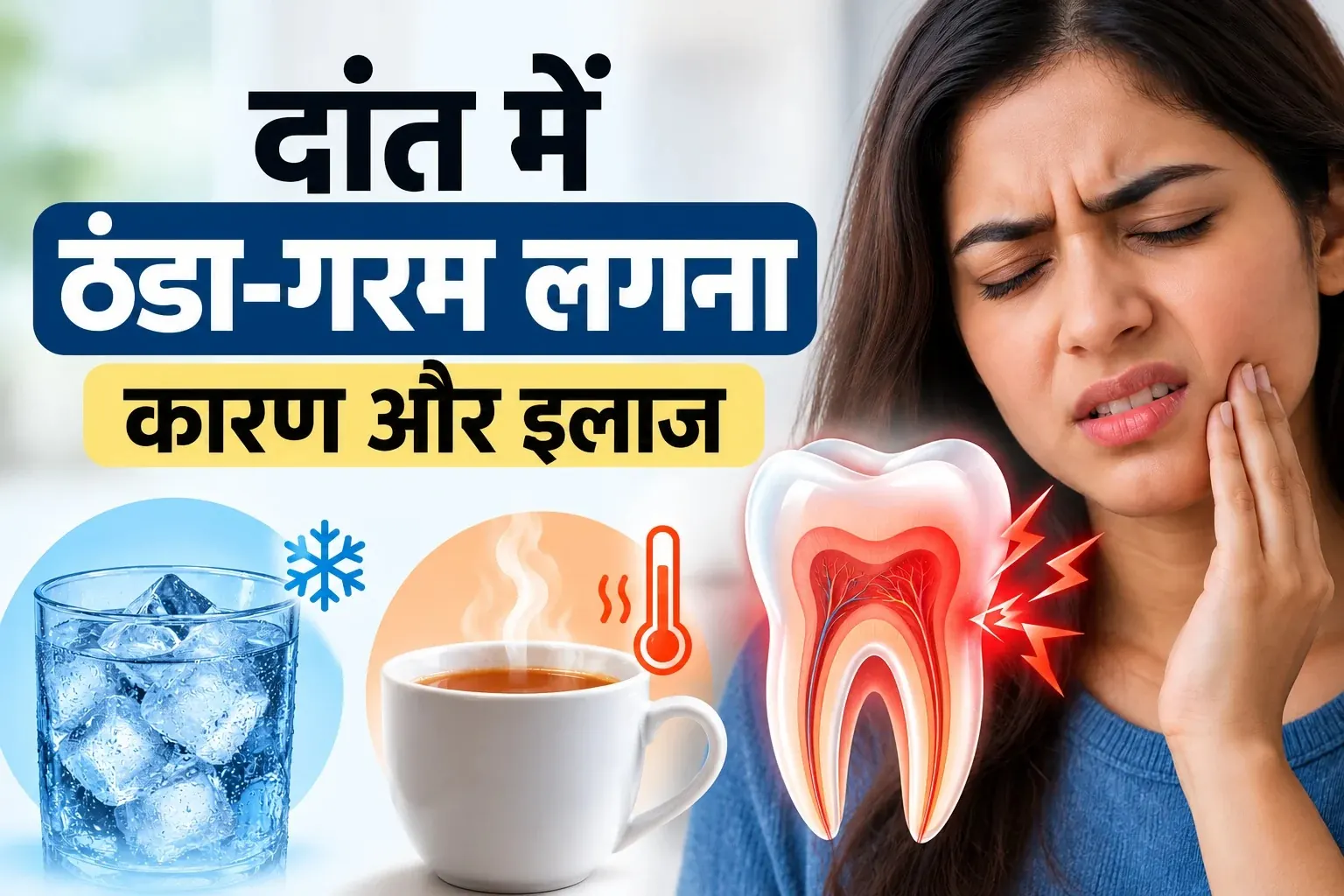
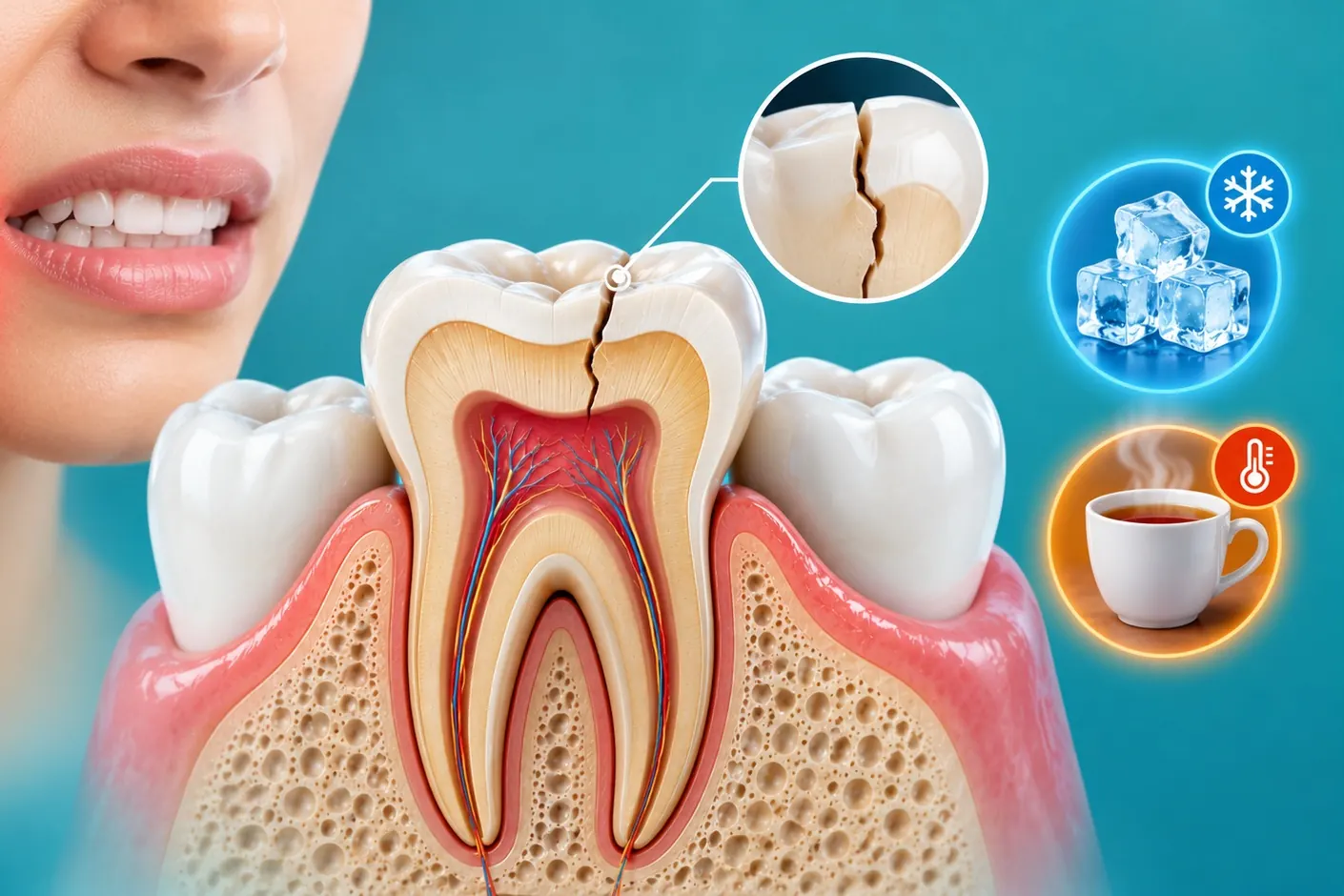
A tooth has several layers. The outermost layer, called enamel, protects the tooth. Beneath it lies dentin, while the innermost part contains the dental pulp, which includes nerves and blood vessels.
When a crack develops in a tooth, biting pressure can cause the affected parts to move slightly. This may irritate the inner tissues and produce sharp, intermittent pain.
Not every crack is serious. Some fine lines affect only the enamel and may not cause symptoms. However, a deeper crack can extend into the dentin or reach the pulp, potentially causing inflammation or infection.
The key point: Treatment depends on the crack's depth, location, direction, and effect on the surrounding tooth structure.
What Causes Teeth to Crack?
A cracked tooth can result from a sudden injury or repeated stress over time. Common causes include the following.
1. Chewing Hard Foods
Biting down on ice, hard candies, unpopped popcorn kernels, or other very hard objects can place excessive pressure on a tooth. The risk may be higher if the tooth has already been weakened by decay, a large filling, or previous damage.
2. Teeth Grinding or Jaw Clenching
Some people grind their teeth during sleep, a condition known as bruxism. Others clench their jaws during periods of stress. Repeated pressure can gradually weaken tooth structure and increase the risk of cracks.
3. Large Fillings or Weakened Teeth
A tooth that has undergone extensive restorative treatment may have less natural tooth structure remaining. Depending on the amount and condition of the remaining tooth, it may be more vulnerable to cracking under chewing forces.
4. Accidents or Dental Injuries
Falls, sports injuries, and accidental impacts can cause cracks or fractures. Even if pain is not immediate, a tooth that has sustained an injury may need professional evaluation.
5. Repeated Stress on the Tooth
Repeated chewing forces can contribute to cracks over time, particularly in teeth that are already weakened. Sensitivity to hot or cold foods may occur, but temperature sensitivity alone does not confirm a crack.
What Are the Early Symptoms of a Cracked Tooth?
Symptoms vary depending on the location and extent of the crack. Common warning signs include:
Sharp pain while chewing: Discomfort when biting down on a particular tooth.
Pain when releasing the bite: A brief, sharp sensation as pressure is removed from the tooth.
Sensitivity to hot or cold: Discomfort when drinking cold water or consuming hot foods.
Intermittent pain: Symptoms that appear and disappear without an obvious reason.
Difficulty identifying the affected tooth: The pain may feel as though it is coming from one area, but the exact tooth may be difficult to locate.
Persistent pain in advanced cases: If the crack affects the dental pulp, the tooth may become increasingly painful or develop signs of inflammation or infection.
These symptoms are not exclusive to cracked teeth. Cavities, damaged fillings, and inflammation of the dental pulp can produce similar discomfort. A dental examination is necessary to determine the actual cause.
Can a Cracked Tooth Be Seen on an X-Ray?
Not always. Fine cracks may not be visible on a routine dental X-ray, so a normal X-ray does not necessarily rule out a cracked tooth.
To investigate the problem, a dentist may use several methods:
1. Reviewing your symptoms and dental history
The dentist may ask when the pain occurs, whether biting or releasing pressure triggers it, whether the tooth has a large filling, and whether you have experienced an injury.
2. Examining the tooth closely
The tooth may be examined under good lighting and, when appropriate, magnification to look for visible cracks or structural changes.
3. Performing a controlled bite test
A dentist may apply carefully controlled pressure to different parts of the tooth to help identify the source of the pain. Do not try to reproduce the test yourself by biting hard objects.
4. Assessing the dental pulp and surrounding tissues
Depending on the symptoms, the dentist may perform pulp vitality or sensitivity tests, examine the gums and supporting tissues, and take dental X-rays.
Sometimes, identifying a crack remains challenging even after several tests. The dentist will consider all the findings before recommending treatment.
Can a Cracked Tooth Be Saved?
In many cases, yes. However, the outcome depends on how far the crack extends and whether the tooth can be restored safely.
1. Fine Surface Lines
Some superficial lines are limited to the enamel and do not cause symptoms. If the dentist determines that they are harmless, active treatment may not be necessary. Monitoring and routine dental care may be sufficient.
2. Cracks in the Crown of the Tooth
If the crack affects the visible part of the tooth and enough healthy structure remains, the dentist may recommend a suitable filling or a dental crown.
A crown covers and supports the tooth, helping protect it against chewing forces. The choice depends on the crack's extent and the amount of healthy tooth structure remaining.
3. When the Dental Pulp Is Affected
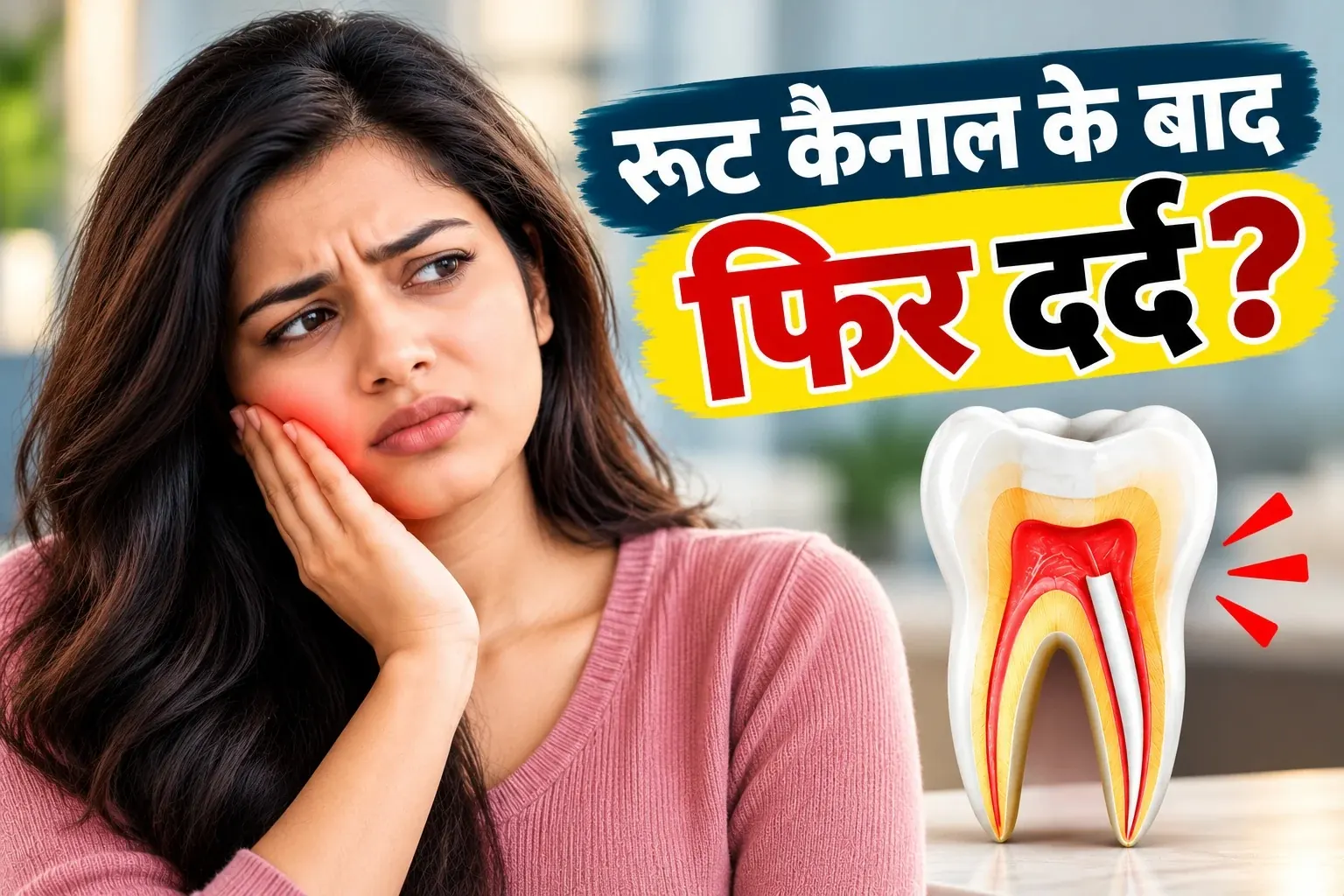
If the crack leads to significant inflammation or infection of the pulp, root canal treatment may be necessary in selected cases. A crown or another suitable restoration may then be needed to protect the remaining tooth.
Root canal treatment addresses the affected tissue inside the tooth, but it cannot guarantee that every cracked tooth will survive. The location and depth of the crack remain important factors.
4. Deep Cracks Extending Below the Gumline or Into the Root
If the crack extends deeply into the root, divides the tooth into separate segments, or leaves insufficient structure for a predictable restoration, saving the tooth may not be possible. Extraction may be recommended in some cases.
Remember: A crown can help support a suitable cracked tooth, but it cannot guarantee success in every situation. The prognosis depends on the findings during the clinical examination.
When Should You See a Dentist?
Arrange a dental appointment promptly if you repeatedly experience pain while chewing or develop unexplained sensitivity in a particular tooth. Pain that temporarily disappears does not necessarily mean the problem has resolved.
Seek prompt dental attention if you notice:
Increasing or spontaneous tooth pain.
A broken or loose piece of tooth.
Swelling around the gums or face.
Pus, an unpleasant taste, or fever associated with dental pain.
If you develop rapidly increasing facial or neck swelling, or have difficulty breathing or swallowing, seek emergency medical care immediately.
What Can You Do Before Your Dental Appointment?
If you suspect a cracked tooth, these precautions may help reduce further stress on it until you receive professional care:
Avoid chewing hard foods on the affected side.
Temporarily avoid ice, hard candies, and other very hard foods.
Continue brushing gently and keep the area clean.
If a piece of the tooth breaks off, keep it safe and take it to your dental appointment.
Arrange an examination instead of waiting for the pain to become severe.
Do not attempt to repair the tooth using household glue, cement, or other materials. Never place aspirin or other medication directly on the tooth or gums, as this can damage the tissues. Do not start antibiotics without appropriate professional advice.
How Can You Reduce the Risk of a Cracked Tooth?
Not every crack can be prevented, but certain habits can help reduce unnecessary stress on your teeth.
Avoid chewing hard objects. Do not bite ice or use your teeth to open packaging.
Address teeth grinding. If you grind your teeth or clench your jaw, consult a dentist. A custom-fitted night guard may be recommended when appropriate.
Use a sports mouthguard. A suitable mouthguard can help protect your teeth during contact sports and activities with a risk of dental injury.
Monitor heavily restored teeth. Teeth with large fillings or weakened structure may need periodic assessment.
Do not ignore recurring symptoms. Pain during chewing, a damaged filling, or a chipped tooth deserves professional evaluation.
Regular dental check-ups can help identify problems before they become more complicated, although very fine cracks may remain difficult to detect.
A Clinical Perspective: Why Early Diagnosis Matters
When assessing a suspected cracked tooth, the dentist needs to determine how far the crack extends, whether the pulp is affected, and whether the tooth can be restored predictably.
Simply relieving the pain is not always enough. The treatment plan must also consider the structural integrity of the tooth and its long-term prognosis.
Depending on the findings, treatment may involve a filling, a crown, root canal treatment followed by an appropriate restoration, or extraction when the tooth cannot be predictably saved.
Early evaluation may allow the dentist to consider tooth-preserving options before further damage occurs. However, outcomes vary, and some cracks can progress despite treatment. Follow-up care may therefore be important.
The most suitable treatment is based on the clinical findings-not just the intensity of the pain.
Frequently Asked Questions
1. Does a cracked tooth always cause pain?
No. Some superficial cracks do not cause symptoms. Deeper cracks may cause sharp pain while chewing, sensitivity to temperature, or persistent discomfort.
2. Can a cracked tooth heal on its own?
A structural crack in a tooth does not heal and rejoin in the way a broken bone can. Treatment aims to protect the tooth, manage symptoms, and preserve its function when possible.
3. Does every cracked tooth need root canal treatment?
No. Root canal treatment may be necessary if the dental pulp is irreversibly inflamed or infected. Some teeth can be managed with a suitable restoration, while very deep cracks may make the tooth unsuitable for preservation.
4. Will a dental X-ray always show the crack?
No. Fine cracks may not be directly visible on routine X-rays. A clinical examination, symptom assessment, and other appropriate tests may be needed.
5. Is it a concern if the pain comes and goes?
Yes. Cracked-tooth pain can be intermittent. If one tooth repeatedly hurts when you bite or release pressure, arrange a dental examination even if the discomfort disappears between episodes.
6. Does a crown make a cracked tooth completely safe?
A crown can provide support and help protect a suitable tooth, but it does not guarantee success. The depth and location of the crack, the condition of the pulp, and the remaining tooth structure all affect the outcome.
Conclusion
A sudden, sharp pain while chewing is not always caused by a cavity. In some cases, it may indicate a small crack that is difficult to see without a dental examination.
If the same tooth repeatedly hurts when you bite or release pressure, do not ignore the symptom simply because it goes away. Timely evaluation can help identify the cause and determine whether the tooth can be preserved.
Protecting your natural teeth starts with recognizing warning signs, seeking an accurate diagnosis, and choosing treatment based on the condition of the tooth.